

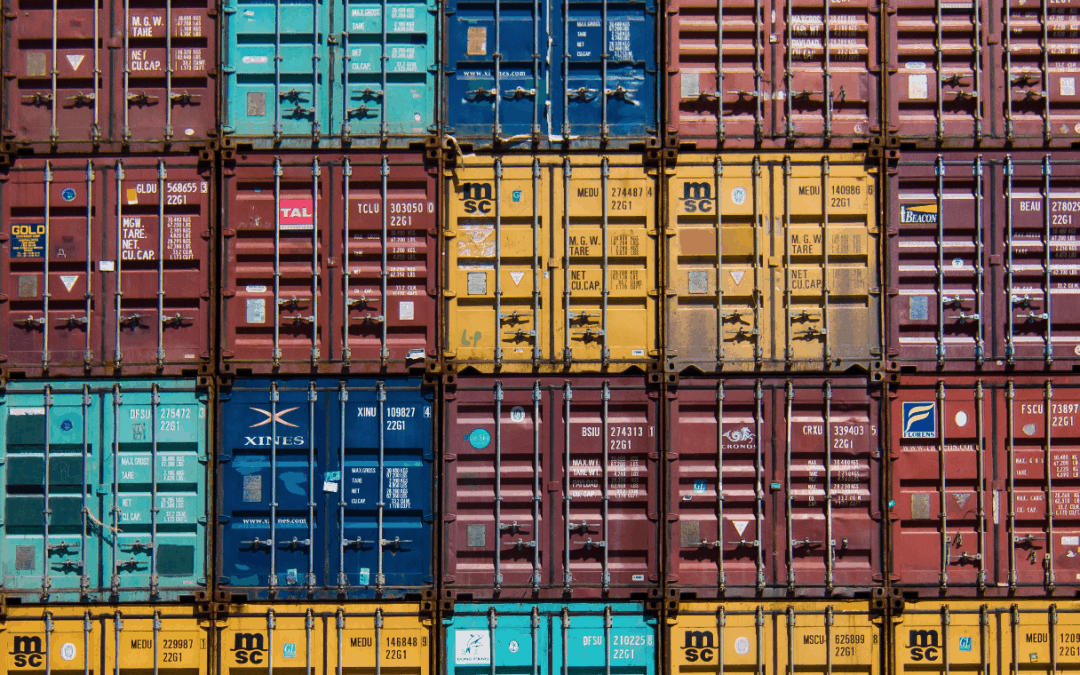
As outlined in an article from 12th April 2020 in The Age titled, Freight industry running out of storage space due to COVID-19, state government and port corporations are contingency planning and examining staging sites as required to store containers in the event of supply chain failures.
The limitations of this activity and risks faced by the international trade sector is highlighted in an associated article from 8th April 2020 in the Australian Financial Review titled, Importers seek relief from port charges squeeze.
Susan Danks, head of customs and regulatory compliance for our industry body the Freight & Trade Alliance (FTA), said the following in a letter to Treasury last week.
“While state government and port corporations are currently contingency planning and examining staging sites as required to store containers in the event of supply chain failures, this will be a futile exercise if goods cannot be cleared from customs control into home consumption,”
It’s clear that these two developments will have a significant impact on trade, customs and forwarding. Projected outcomes include:
- Congestion at the ports, leading to increasing delays to all containers that are “block stacked” at terminals, jeopardising the timely release of essential goods
- Although limited storage may be available off port, the goods must be held under customs control until they are paid and released – limited capacity exists at current customs controlled premises being gazetted in accordance with Sec15 or licensed in accordance with Sec 77G of the Customs Act 1901
- As the port congests, trade slows, equipment such as shipping containers, required for exports will not be available
- Increased costs across the supply chain, with precedent suggesting that stevedores and shipping lines would give little (if any) reprieve for associated storage or late empty container return penalties, this, in turn, compounds costs faced by importers (including increasing Infrastructure Surcharges administered by stevedores) and the cash flow of customs brokers
- Delays in returning empty containers within required time frames, resulting in an equipment shortage within supply chain not being able to fulfil export requirements – as experienced in Europe and Asia, relating to reefer containers held up in China, a worldwide shortage of prescribed equipment attracted surcharges of up to $1000 per container
Thanks,
The ACF Team