

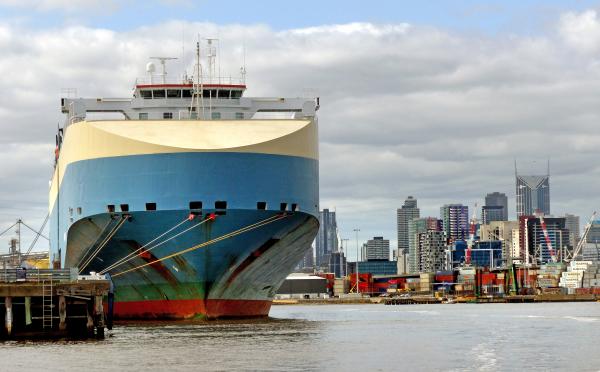
ACF is updating you on all developments across Australia and the world. Here’s the latest the Port of Melbourne as they announce a tariff increase of 2.2%. This comes in part from the reduced trade volumes and revenue, together with their continued commitment to invest. You can read the full release below from AFIF weekly.
—
Port of Melbourne 2020-21 Reference Tariff Schedule
The Port of Melbourne (PoM) has published its 2020-21 Reference Tariff Schedule (RTS). The RTS outlines PoM’s tariffs for Prescribed Services that will apply from 1 July 2020. Prescribed Services are defined under section 49 of the Port Management Act 1995 (Vic) and include channel services, berthing services, short-term storage and cargo marshalling facility services and other services that allow access or use of certain port infrastructure.
Tariffs for Prescribed Services will increase by 2.2 per cent in 2020-21. The increase is based on the annual Consumer Price Index (CPI) for the 12 months to March 2020.
In setting its prices for Prescribed Services, Port of Melbourne is required to comply with requirements in the Pricing Order – a regulatory instrument made by the Governor in Council under section 49A of the Port Management Act 1995.
PoM also today submitted to the Essential Services Commission of Victoria (ESC) its Tariff Compliance Statement (TCS) for 2020-21. The TCS explains how PoM has complied with the Pricing Order in calculating its 2020-21 tariffs.
These are challenging times across many parts of the economy due to COVID-19 and like many organisations PoM is feeling the effects of reduced trade volumes and the subsequent impact on revenues. Despite the ongoing uncertainty and volume risks, PoM remains committed to continuing to invest in the port, with forecast capital expenditure of $80.9 million in 2020-21 to deliver major projects such as wharf rehabilitation and implementation of the recently announced port rail project.
As we transition out of the current crisis, the port will play its role in helping Australian businesses, and our economy, get back on track.
Thank you – this was an update from ACF.